SARDINIAN SPECIALTIES TO TASTE
Sardinian cuisine maintains ancient traditions that have remained "pure" because, being an island, they have not had the opportunity to blend with those of neighboring regions. The origins of certain recipes from past times are unknown because they have been jealously passed down from mother to daughter for generations.
Here are some of the dishes you should definitely try to truly experience traditional Sardinian cuisine.
Sardinia is known for its transparent and crystalline sea, but its cuisine also deserves a place of honor among the delights of Italian cuisine.
CARASAU BREAD
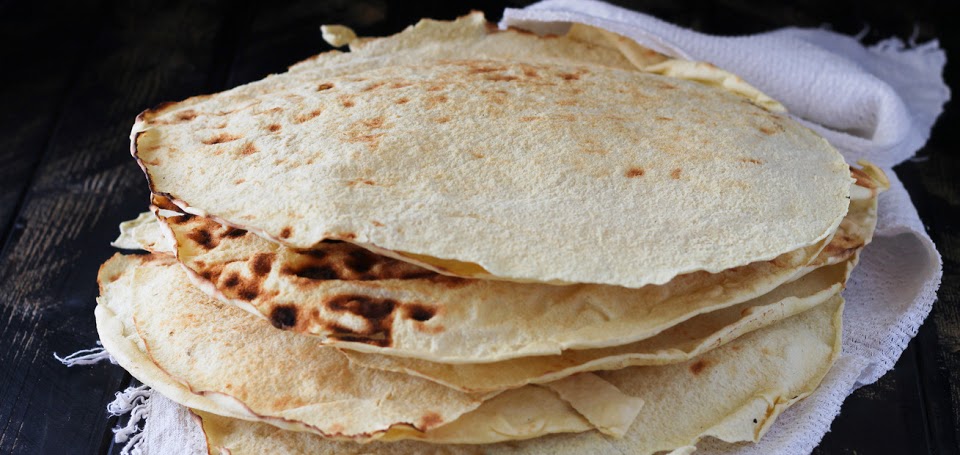
Carasau bread is also called "music paper" due to its thinness and crispness. It was traditionally prepared in the home oven about once a month.
The family would gather for this occasion because it required many hands for the work. Two or three families, perhaps among sisters, would come together and take the opportunity to prepare a supply for everyone.
Even the men were involved. The alarm clock was set for 4 a.m. because the dough had to be kneaded by hand and the wood-fired oven lit. Then it was the women who took care of rolling out the sheets and baking the bread...twice. Yes, because the characteristic crispness of this bread is due to double baking. First, it is put in the oven like a pizza. It puffs up and is then cut along the edge, becoming 2 discs that are then baked separately. It can be found in almost all Sardinian agritourisms and restaurants, and can be eaten as it is, but also put back in the oven with the addition of oil and salt, called "pane guttiau", or even wet (it becomes like a piece of cloth), to wrap eggplant parmesan or a piece of cheese.
Some agritourisms offer it wet and seasoned with tomato sauce, pecorino cheese, and eggs, the typical "pane frattau".
PECORINO CHEESE
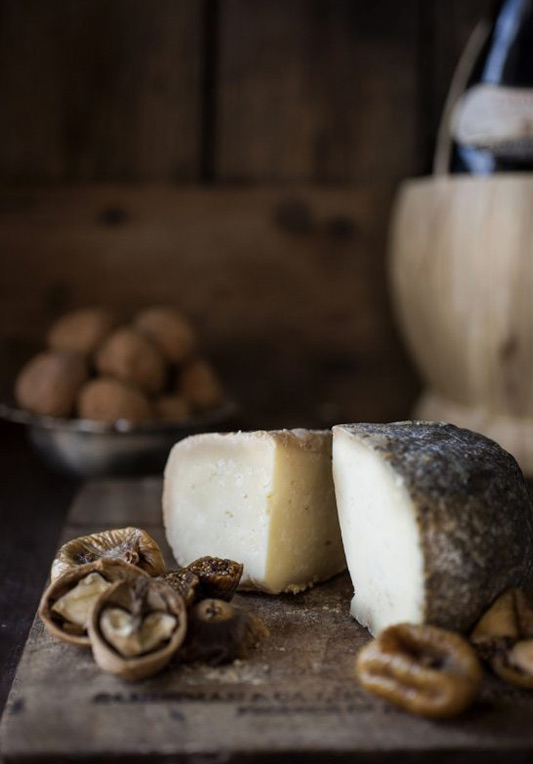
Pecorino cheese is also found in other Italian regions.
The most famous "cousin", pecorino romano, comes precisely from the work of Sardinian shepherds who moved to Lazio and Tuscany to produce cheese—unfortunately for them, they did not think to register a trademark.
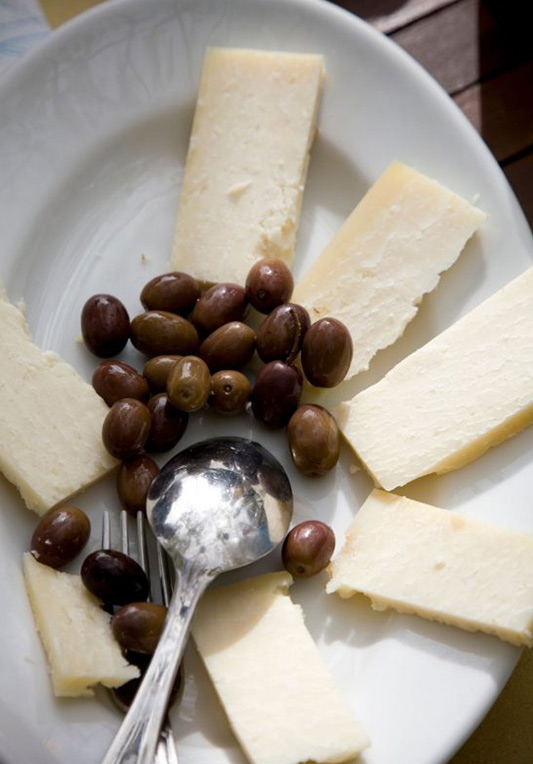
Pecorino is a cheese that is now produced by all dairies in Sardinia, but there are still shepherds who produce it for personal consumption and are willing to sell or give away a few forms. It is a very flavorful cheese, which can be enjoyed both fresh—mainly in winter, melted on the fireplace grill and eaten with carasau bread—and aged. It is used to season various first courses of Sardinian cuisine and is usually brought to the table at the end of the meal.
THE BOTTARGA
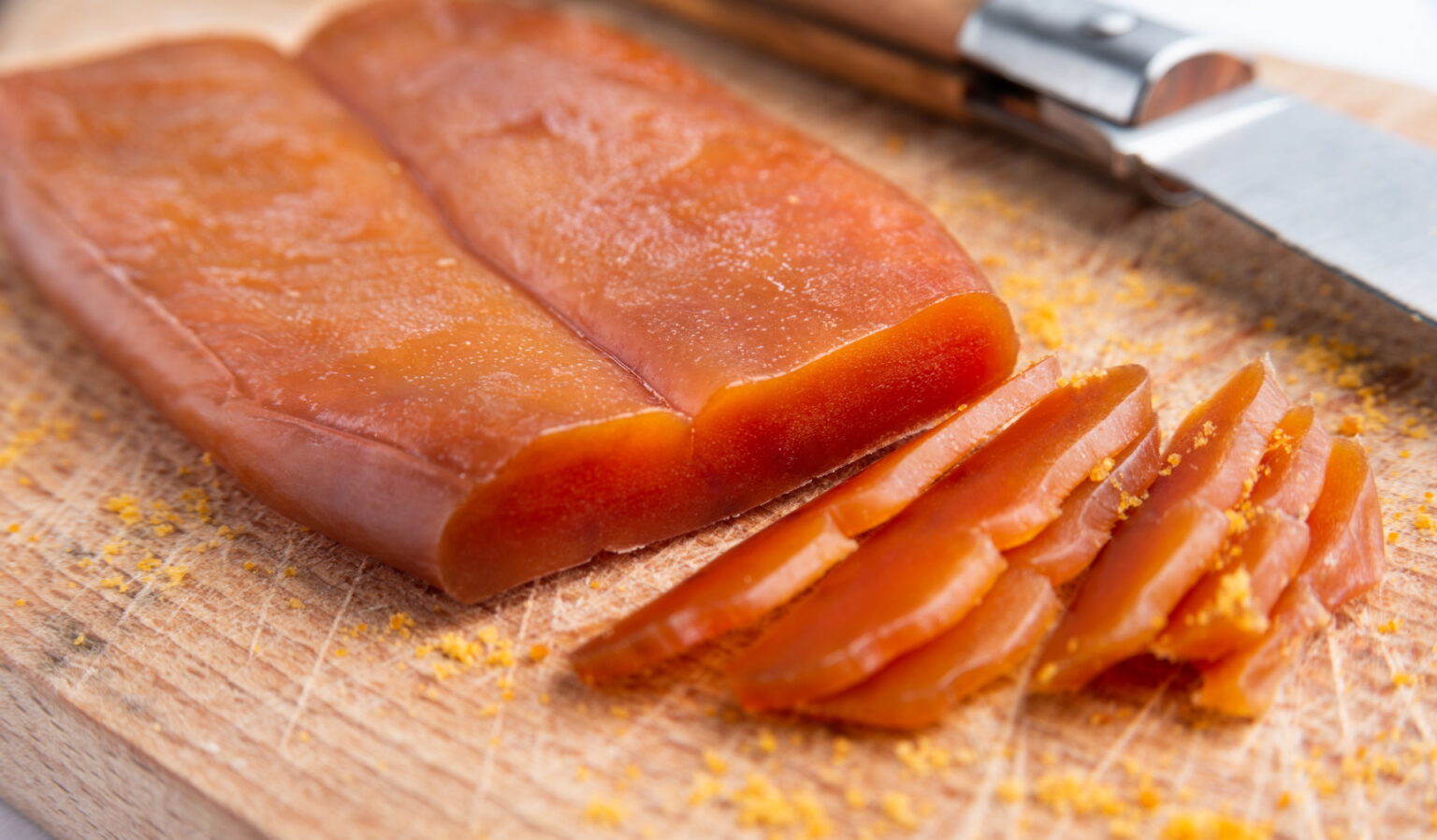
What is bottarga?
It is dried fish eggs (usually mullet or tuna). They are very flavorful and considered a delicacy. They can be consumed in various ways. As an appetizer, sliced together with artichokes or celery and cherry tomatoes, all seasoned with good olive oil. Its most common use is on spaghetti. And it is also the simplest recipe, because all you need is spaghetti, excellent extra virgin olive oil, and grated bottarga. In Sardinia, the largest production is in Cabras, in the Oristano area, but now it has become a dish that can be found throughout Sardinia.
THE FREGOLA
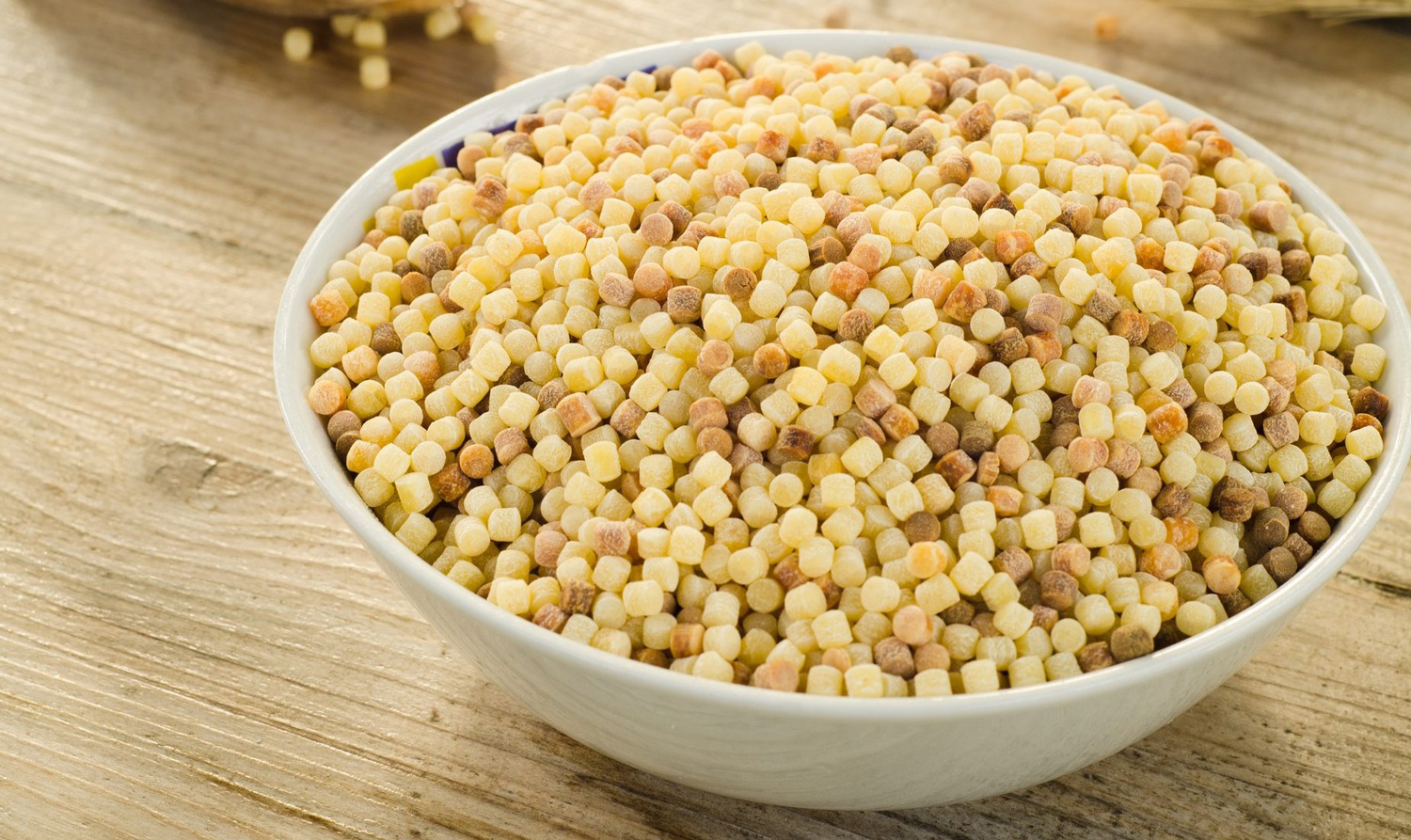
Fregola is a typical pasta specialty of southern Sardinia. Its peculiarity is that more than a pasta, it looks like grains of wheat.
Today, excellent quality fregola is produced in some Sardinian pasta factories, but its origins tell of women who sprayed water on the worktable covered with flour and that the drops of water, after "moved" delicately with the fingers, formed the original non-uniform balls characteristic of fregola.
The most common and appreciated combination is that with clams or seafood.
MALLOREDDUS
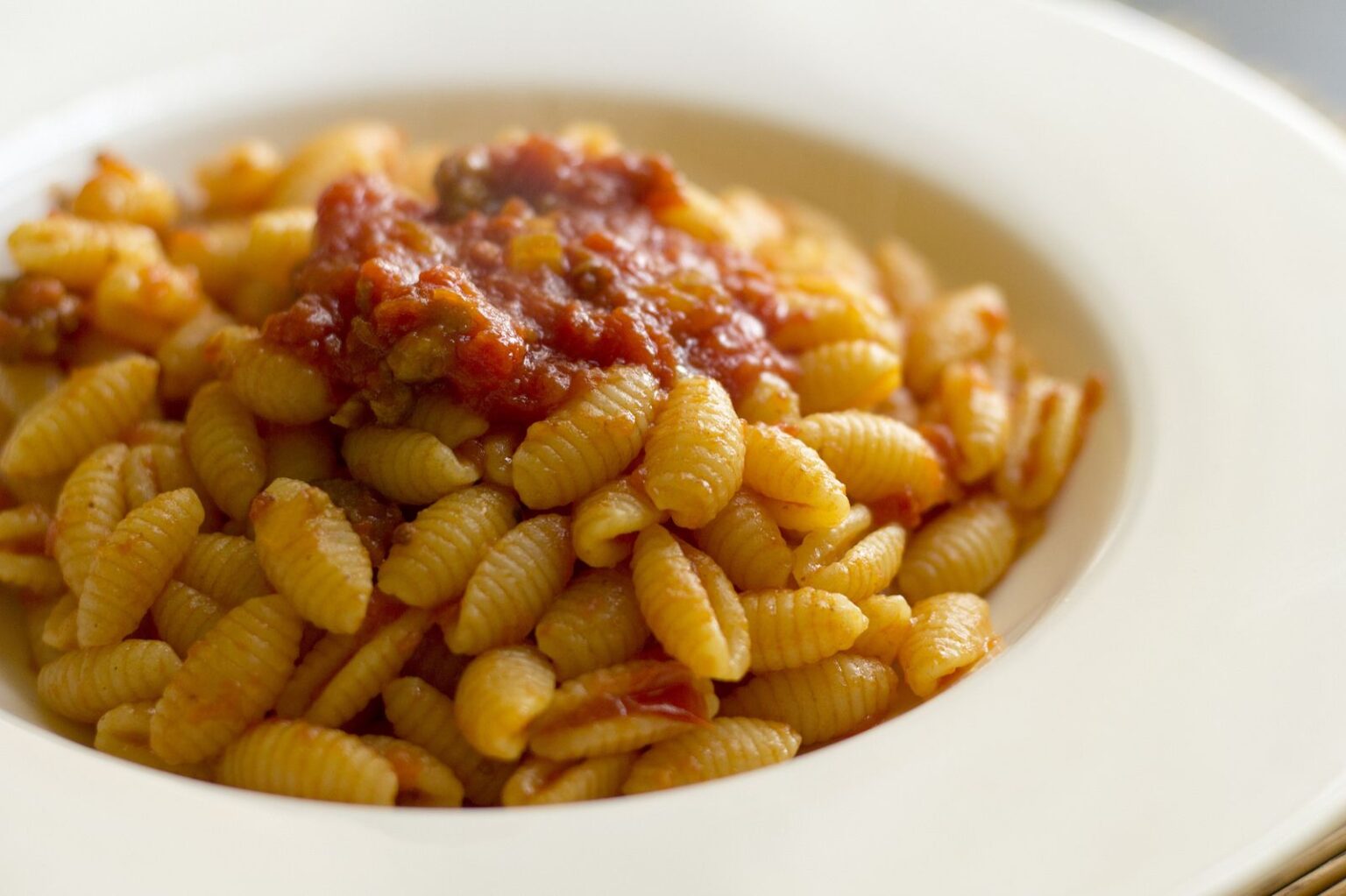
Malloreddus are a typical pasta shape from Campidano. Today this is also produced by several pasta factories (including Barilla), but they originate from those handmade by Sardinian housewives who, forming cords with the pasta, then using both thumbs, cut small, curved pieces with a shape that fits between the gnocchi and the orecchiette.
They have become the typical Sardinian pasta, offered in almost all farmhouses in Sardinia. It can be seasoned in various ways, but it gives its best with a red meat sauce, perhaps wild boar, with the addition of plenty of grated pecorino.
SEADAS
The Sardinian dessert par excellence.
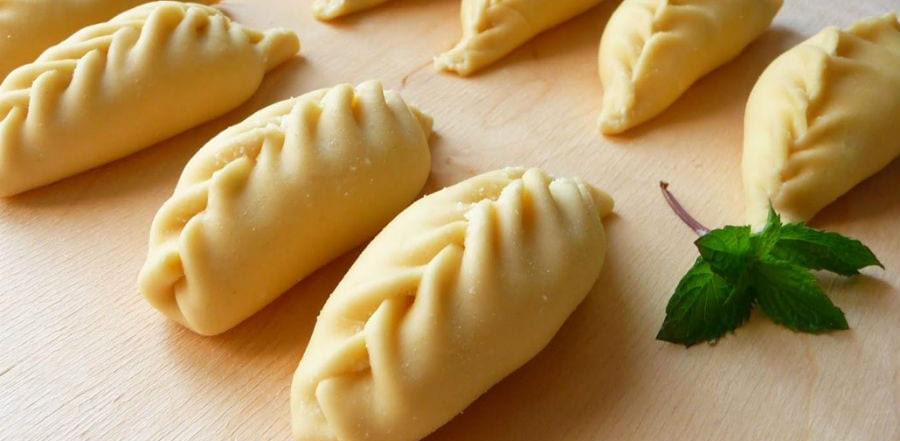
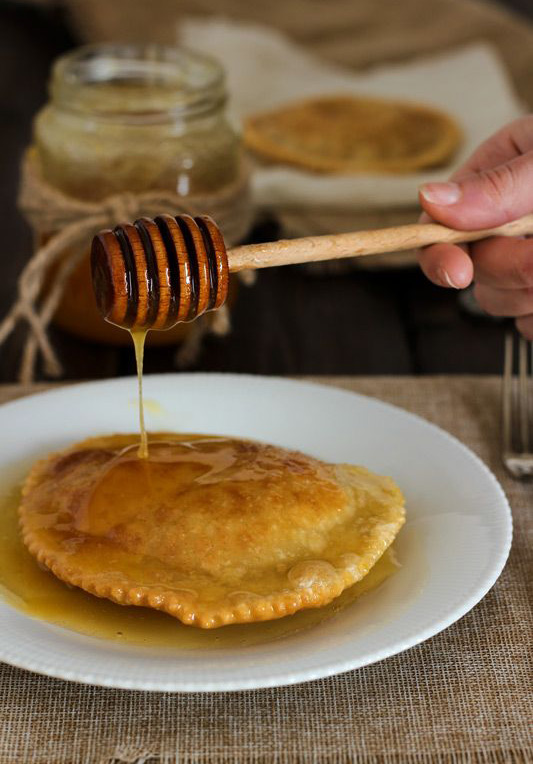
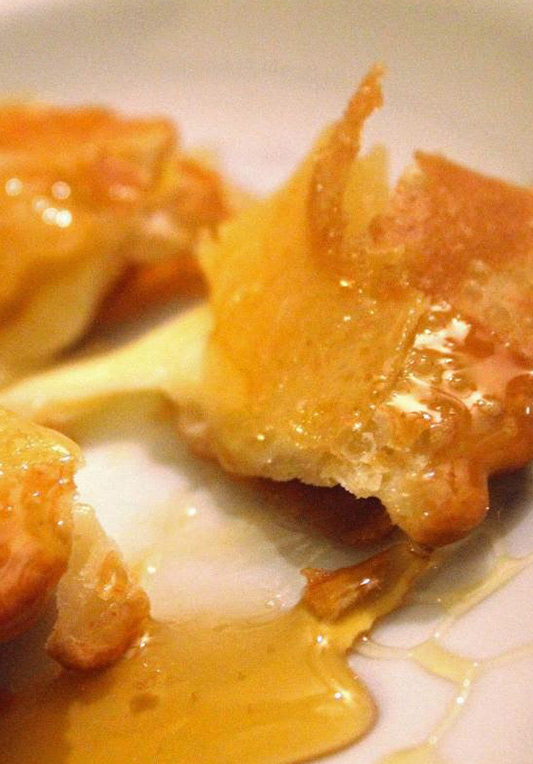
This specialty receives different names depending on which part of Sardinia you go to eat it. It can be seada, like sevadas, or sebadas and others like it. It is a sheet of pasta filled with cheese and then fried and seasoned with Sardinian honey.
It is a delicacy that few can resist and, with the times, variants have also been added that are also very popular, such as seada stuffed with ricotta and orange peel.
NOUGAT
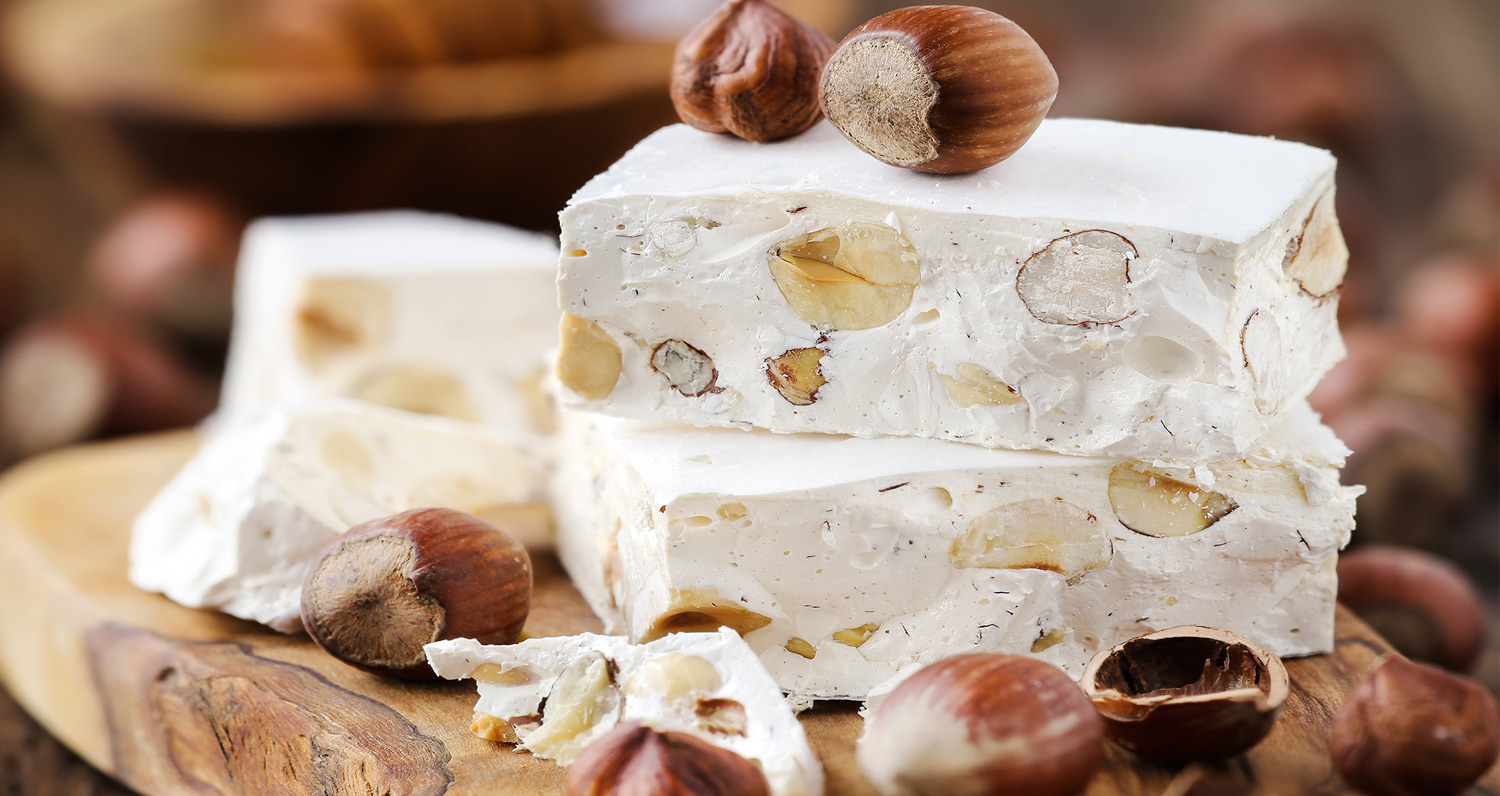
The inland towns in the Nuorese area are known for the production of Sardinian nougat.
Made exclusively with honey, it is produced using the different nuts available, such as walnuts, almonds and hazelnuts.
It is sold at all village festivals, in the typical shacks along the center and the producers are more often than Tonara and Desulo.
Li Conchi Houses
ABOUT US
Born from a dream of living completely immersed in the nature of Sardinia near the wonderful beaches, our village offers a unique holiday experience, and houses that allow you to live the splendid island in tranquility and comfort.
Rama Srl - Via Carloni, 48 22100 Como
VAT NUMBER 02968090130
